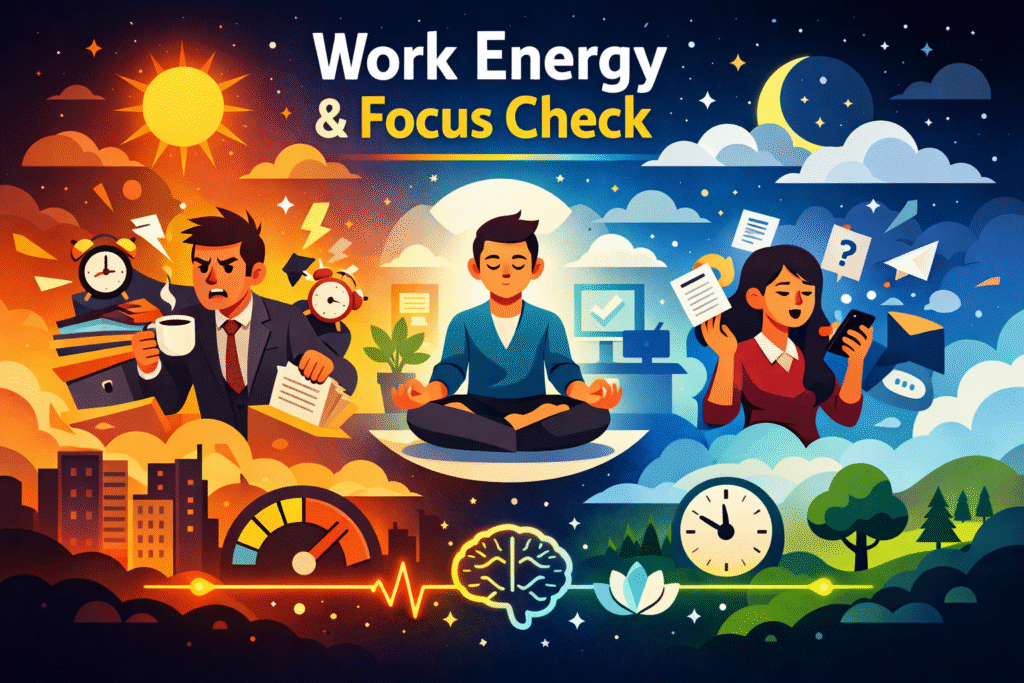
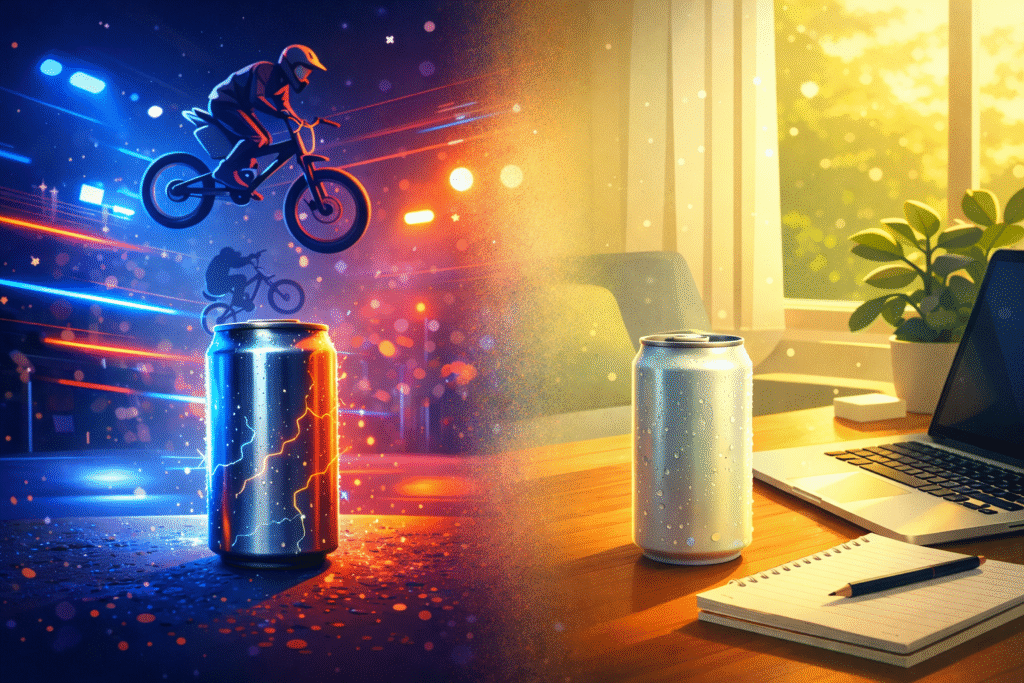
Energy drinks vs functional drinks is a debate that’s becoming increasingly relevant in India. Walk into any supermarket and you’ll see shelves packed with bold, aggressive cans screaming “Energy!” with Lightning bolts, Racing graphics and extreme sports vibes. For many Indian parents, opinions about energy drinks are shaped less by science and more by alarming social media forwards warning that these drinks are “Dangerous” or “Addictive.” Yet for much of India’s youth, this is exactly what “Performance” looks like and sometimes, the appeal is simply about looking cool.
This contrast brings us to the evolution of functional drinks. While energy drinks are technically functional beverages, they dominate the market by positioning themselves around thrill, intensity, and stimulation. Other functional drinks benefits for different outcomes, have had to position themselves around health, balance, and science and often using fitness influencers and minimalistic design to signal trust.
One thing becomes clear: The difference between energy drinks and functional drinks lies as much in positioning as in formulation. Let’s dive deeper.

What Is Product Positioning? Meaning, Examples & Why It Matters in FMCG.
Product Positioning is the deliberate effort by a brand to occupy a specific place in the consumer’s mind. It’s not just about what a product does, but what it represents the moment someone sees it. Before a consumer reads a label or checks the price, an impression is already formed, whether the product feels healthy, indulgent, premium, exciting, or safe.
That impression is built over time through a few consistent signals:
- How the product looks on the shelf
- The stories told in advertising
- The emotions the brand associates itself with
- Cultural relevance and repetition
Together, these signals create a mental shortcut that when nurtured correctly, the product becomes linked to a specific role in a consumer’s life and that association is positioning.
Positioning matters enormously in FMCG. These are fast, low-involvement purchases made in crowded environments. There is no salesperson explaining benefits, and consumers rarely analyze ingredients in depth. The brands got very few seconds to communicate what it stands for. Products with no clear emotional meaning blend into the background, while those connected to comfort, celebration, safety, or performance feel instantly familiar and easier to choose.
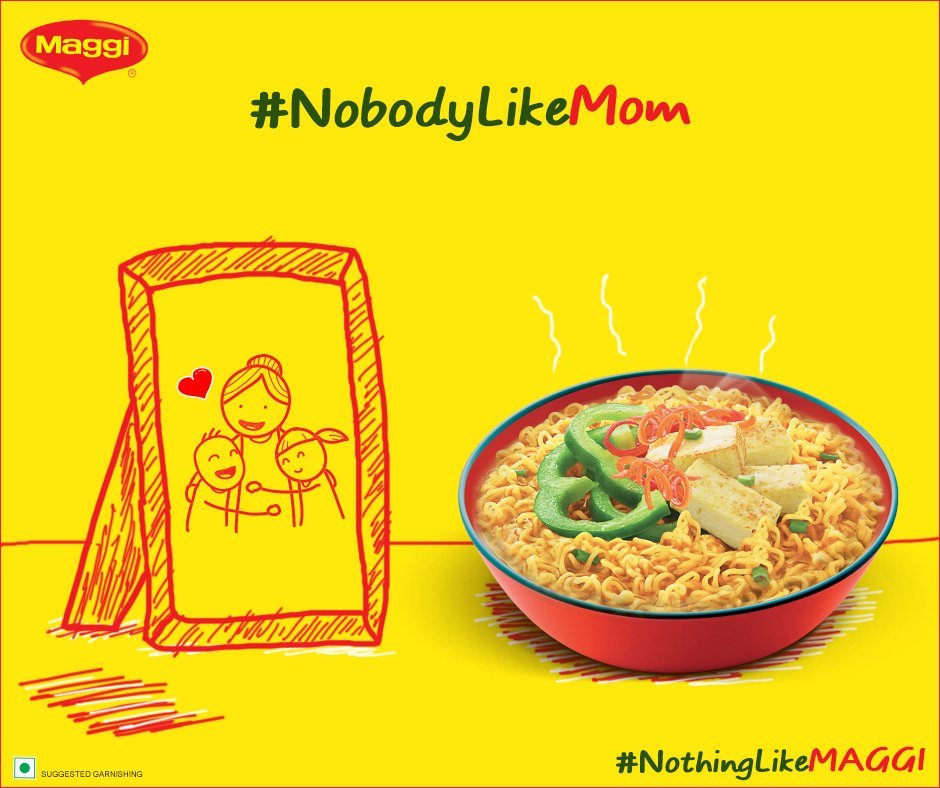


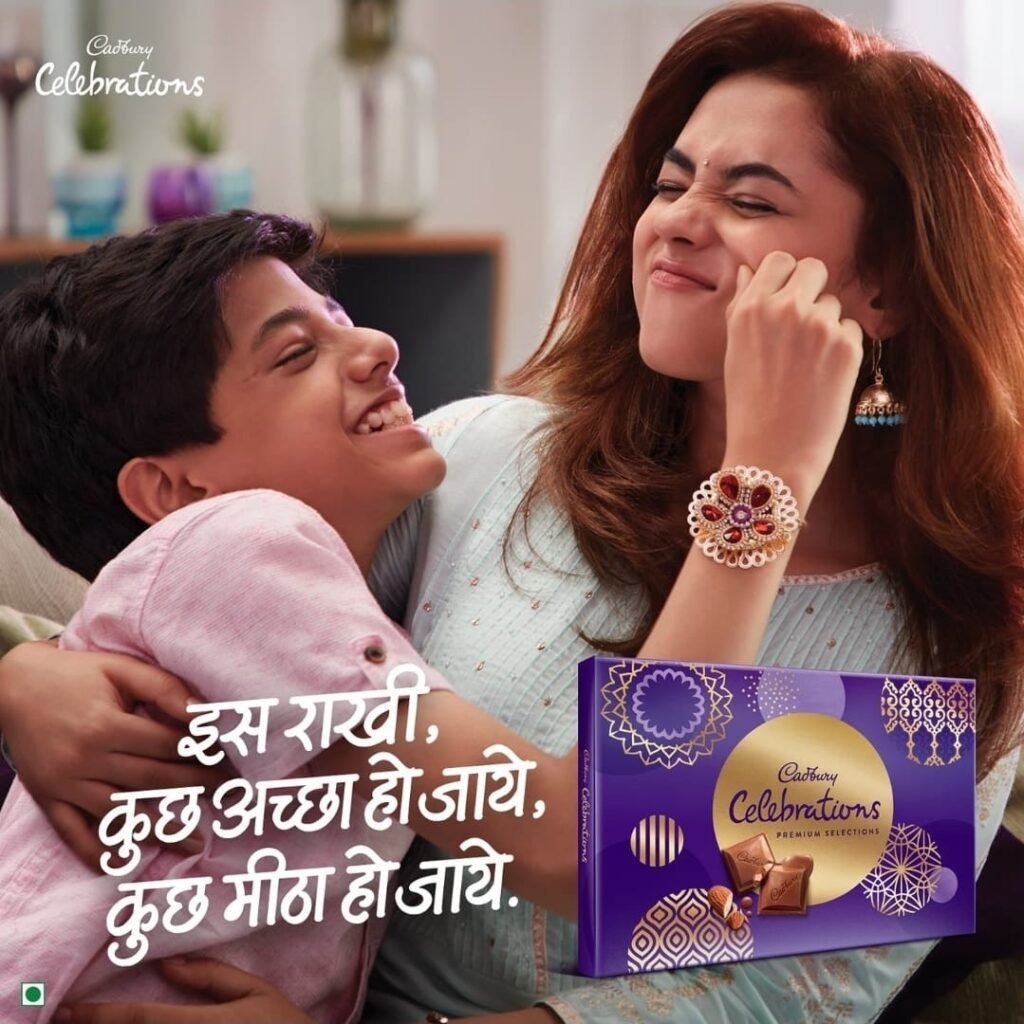
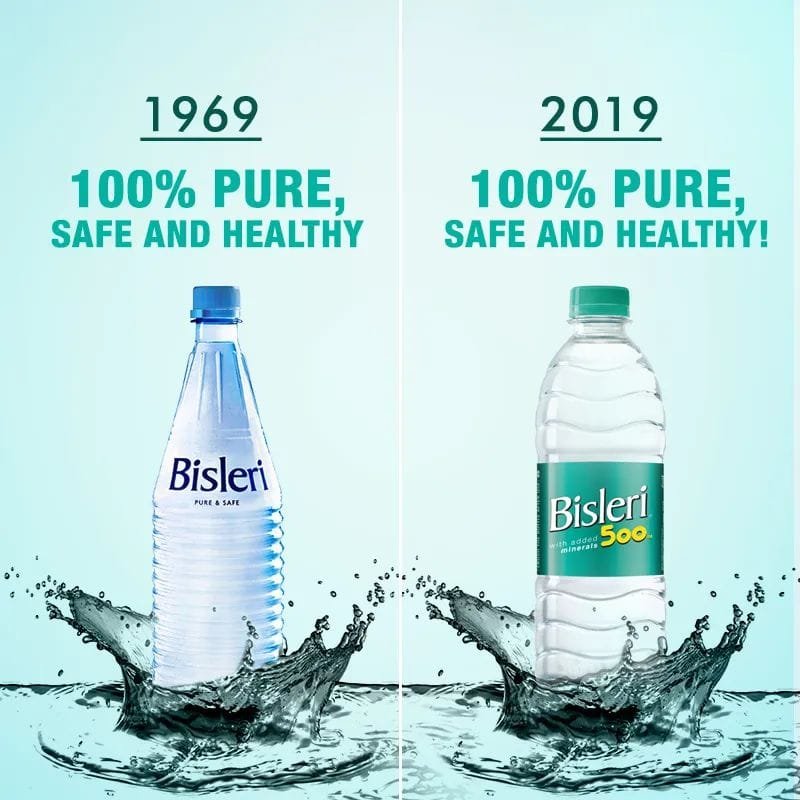
You can see this clearly across categories. Bisleri turned packaged water into a symbol of trust and purity. Dettol represents protection rather than just antiseptic liquid. Maggi stands for familial comfort and convenience, not merely noodles. Cadbury linked chocolate with celebration and sharing. And in beverages, Paper Boat positioned traditional Indian drinks around nostalgia, childhood memories, and cultural roots, turning simple beverages into emotional experiences. Positioning context is very important and a juicy topic that can actually make or break brands but more on that later, we are here to talk about the positioning battles that are shaping consumer preferences in the beverage industry.

Energy Drinks vs Functional Drinks: How Positioning Shaped the Category Divide
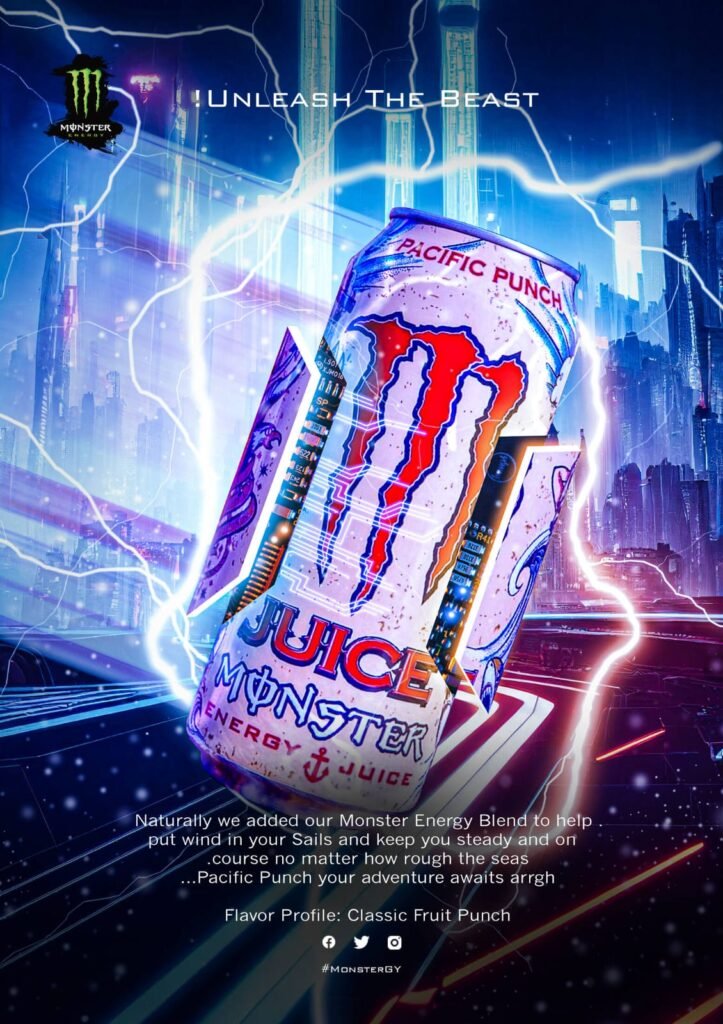
Energy drinks such as Redbull didn’t become a global category leader purely because of formulation. Their rise was powered by one of the strongest positioning strategies in modern beverages. From the beginning, the category aligned itself with adrenaline, extreme sports, speed, and performance under pressure. Instead of educating consumers about ingredients, brands built an identity around thrill, boldness, and pushing limits. Over time, this created a powerful mental shortcut: energy drinks became symbolic of intensity and action, especially among younger audiences.
As the category grew, this identity-driven positioning helped energy drinks dominate shelf visibility and cultural relevance. The bright colors, aggressive design, and sponsorship of high-adrenaline events made them impossible to ignore. They weren’t sold as “health products” but they were sold as performance fuel for a fast-paced lifestyle.
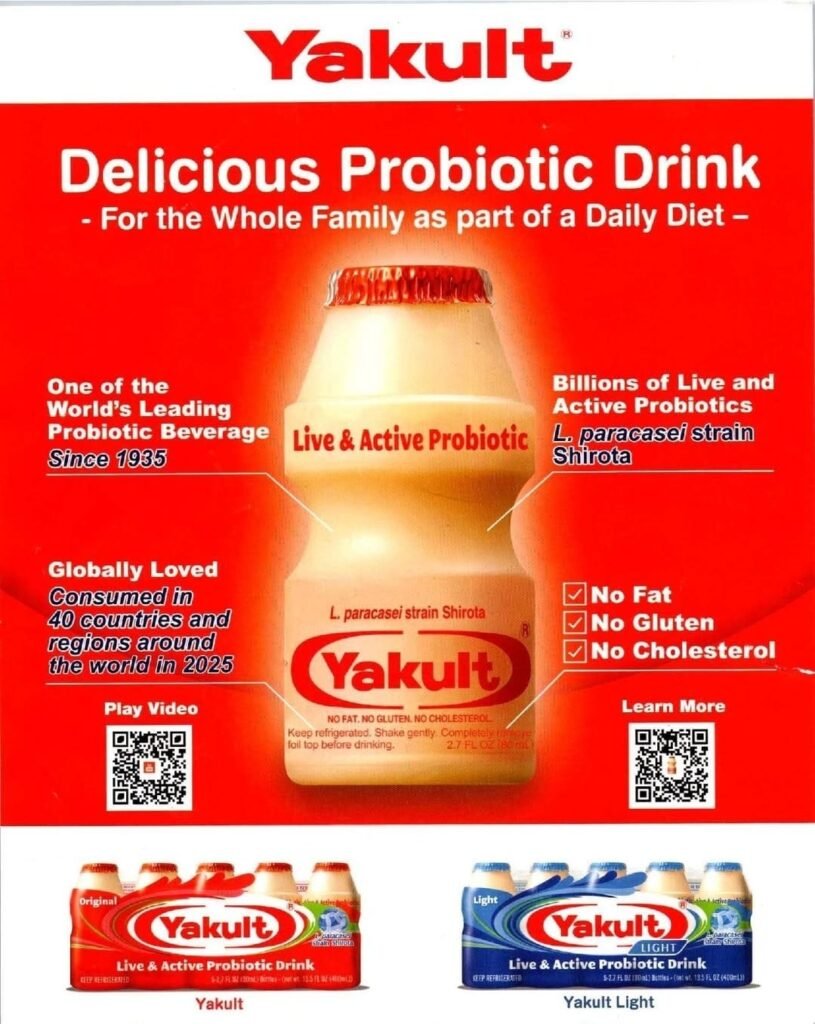
Meanwhile, another wave of beverages began to rise under the broader umbrella of functional drinks. Products like probiotic beverages, kombucha, and collagen drinks entered the market with very different benefit stories. They couldn’t compete in the thrill-performance space energy drinks already owned. Instead, they positioned themselves around gut health, skin health, immunity, balance, and overall wellness.
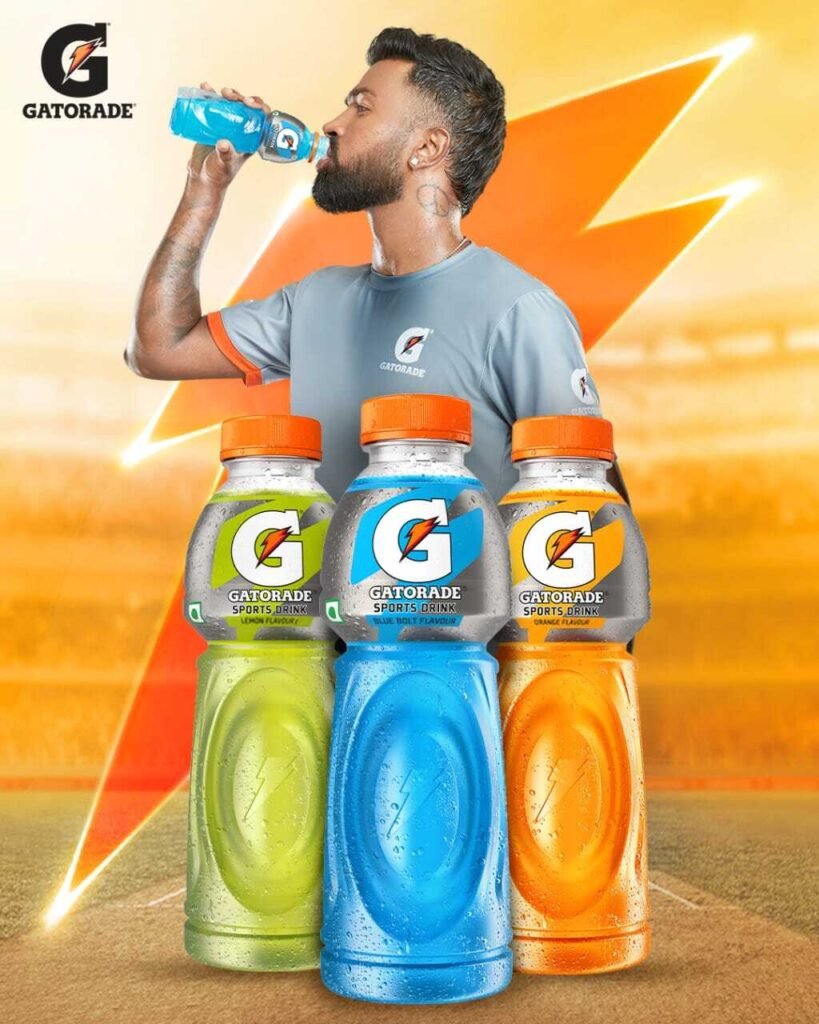
This led to a completely different visual and emotional language. Packaging became minimal and clean. Colors turned softer and more natural. Communication leaned toward science, ingredients, and long-term health. Fitness trainers, wellness influencers, and lifestyle creators became the new ambassadors and guess who they targeted? These drinks weren’t about adrenaline but they were about feeling better from within.
Over time, this created an unintended divide in the consumer’s mind. On one side stood loud, stimulating, performance-oriented energy drinks. On the other stood calm, wellness-focused functional beverages. Even though both categories are technically “functional,” they began to represent opposite meanings.
As wellness-focused drinks emphasized health, balance, and “clean” living, a subtle narrative formed in the background: if these drinks are the healthy option, then energy drinks must be the unhealthy one. This perception spread faster than formal education about the category.
The result is today’s confusion. Many consumers now struggle to understand where energy drinks truly stand. Are they performance tools, lifestyle symbols, or health risks? And what exactly does “functional beverage” mean if products with such different images fall under the same term?
The category didn’t split because of ingredients alone. It split because of positioning and the stories brands chose to tell.
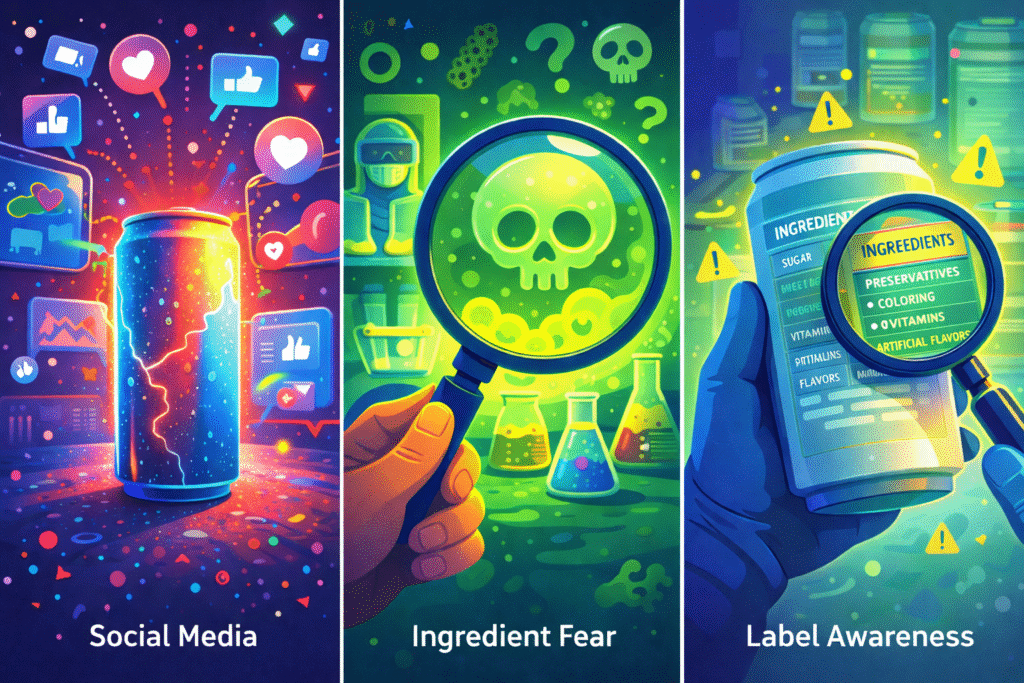
Social Media, Ingredient Awareness, and the Rise of Preservative Fear in India
Indian consumers today are more label-aware than ever before. A growing number of social media creators now produce content that breaks down ingredient lists, questions marketing claims, and encourages people to be more conscious about packaged foods and beverages.
This shift has brought clear benefits. Consumers are asking better questions, brands are being pushed toward greater transparency, and exaggerated “health” claims are more likely to be challenged. Awareness has increased and that’s a positive development.
At the same time, the fast and simplified nature of social media content can sometimes reduce complex food science into black-and-white conclusions. Ingredients with technical or chemical-sounding names especially preservatives and stabilizers are often viewed with suspicion, even when their role is functional and safety-driven.
In reality, packaged beverage brands in India operate under strict regulatory frameworks. The Food Safety and Standards Authority of India (FSSAI) defines which additives and preservatives are permitted, the categories they can be used in, and the maximum allowable limits. Brands cannot arbitrarily increase these levels; formulations must stay within prescribed standards to be legally sold.
Preservatives in such cases are not added for marketing appeal, but for safety and stability. Ready-to-drink beverages travel long supply chains and sit on shelves for extended periods. Without proper preservation, products could spoil, ferment, or become unsafe for consumption. The presence of an additive alone does not determine risk dosage, frequency of intake, and regulatory control are key factors.
However, as “no preservatives,” “clean label,” and “natural” claims become more visible in the wellness segment, a contrasting perception forms. Drinks positioned around health, balance, and minimalism begin to signal safety, while categories already associated with stimulation and performance such as energy drinks are more easily viewed with doubt.
This is where perception begins to outweigh nuance. Greater awareness has improved consumer vigilance, but it has also created a tendency to judge products based on the presence of certain terms rather than understanding their purpose or regulation. For many consumers, this contributes to an ongoing confusion about what truly makes a beverage healthy or harmful.
Are Energy Drinks Unhealthy? Science vs Perception
Up to this point, we’ve seen how perception, positioning, and social narratives shape how different beverages are viewed. But this leads to the core question many consumers have in mind:
Are energy drinks genuinely harmful, or has perception exaggerated the risk?
The answer, like most nutrition topics, is not absolute.
Energy drinks benefits are designed to provide stimulation, primarily through caffeine, and sometimes sugar or other functional ingredients. Caffeine, in moderate amounts, is widely consumed through tea and coffee as part of daily life. The concern arises when intake becomes excessive or when multiple sources of caffeine are consumed without awareness could lead to jitters.
What often gets lost in public discussions is context. The health impact of any product depends on:
- How much is consumed
- How frequently it is consumed
- The overall lifestyle of the individual
Occasional use as a performance aid is very different from habitual overconsumption. Yet online conversations often treat the category as a single extreme.
Regulatory systems also play a role. In India, ingredients used in beverages, including caffeine limits and permitted additives are mostly governed by the Food Safety and Standards Authority of India (FSSAI). Brands must operate within defined standards. This does not automatically make every consumption pattern healthy, but it does mean products are formulated under controlled guidelines rather than without oversight.
Another factor is positioning. Because energy drinks are marketed around intensity, thrill, and high performance, they are more easily associated with excess. In contrast, beverages positioned around wellness and balance often benefit from a health halo, even though both fall under the broader functional beverage space.
So the debate is rarely just about ingredients. It’s about how marketing identity influences perceived risk. Stimulation-focused drinks are viewed with caution; wellness-coded drinks are viewed with trust.
This doesn’t make one automatically good and the other automatically bad. It highlights the need for informed consumption rather than assumption. Understanding what a product is designed for, how it fits into one’s routine, and how much is appropriate matters more than broad labels.
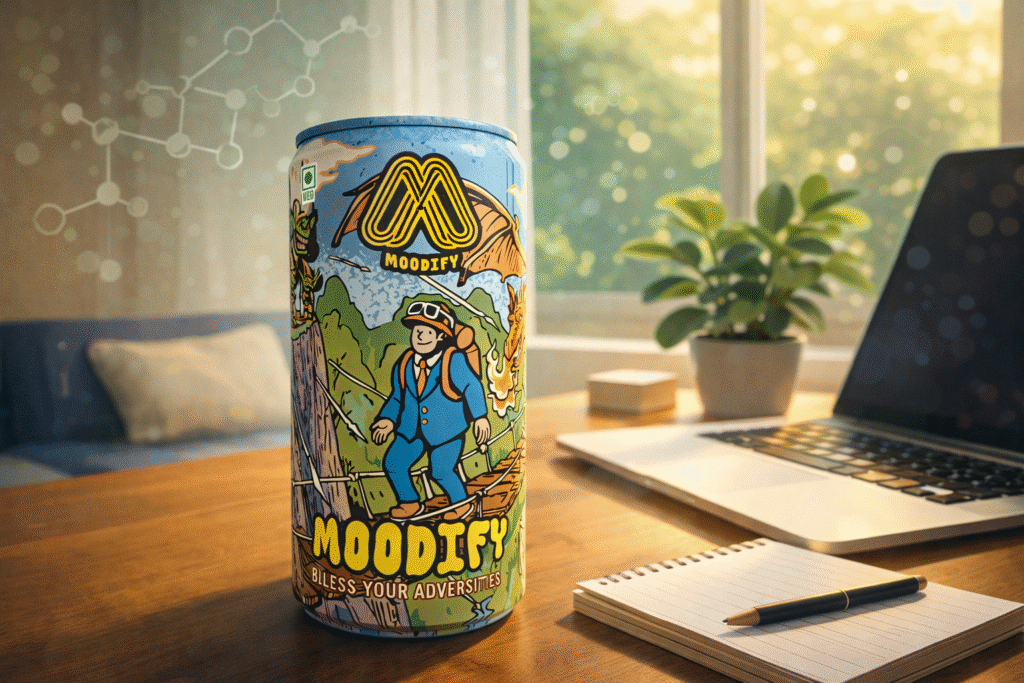
As the understanding of performance evolves, so does the design of functional beverages. Brands like Moodify are part of this newer wave — shifting focus from intensity to mental balance, helping people stay calm, focused, and productive without the spike-and-crash narrative often associated with traditional energy drinks.
Frequently Asked Questions (FAQs)
What is the difference between energy drinks and functional drinks?
Energy drinks are typically positioned around stimulation, intensity, and quick energy boosts, often through caffeine and sugar. Functional drinks, on the other hand, are designed for specific benefits such as gut health, hydration, cognitive focus, or overall wellness. The difference is not just ingredients but also how each category is positioned in the consumer’s mind.
Are energy drinks unhealthy?
Energy drinks are not automatically unhealthy, but their impact depends on how much and how often they are consumed. Excessive caffeine or sugar intake can cause issues, while moderate consumption within recommended limits is generally considered safe. Context, lifestyle, and overall diet play an important role.
Are functional drinks healthier than energy drinks?
Functional drinks are often positioned around health benefits such as immunity, digestion, or mental focus. However, “healthier” depends on formulation, ingredients, and individual needs. Some functional drinks may be low in sugar and contain added nutrients, while others may simply carry a health-oriented image.
Why do energy drinks have a bad reputation?
Energy drinks are commonly associated with extreme sports, high stimulation, and youth culture. Social media discussions about caffeine, sugar, and additives have also shaped perception. Marketing identity often influences how risky or safe a product feels to consumers.
What are functional beverages?
Functional beverages are drinks designed to provide benefits beyond basic hydration. These may include improved focus, gut health, immunity, relaxation, or performance support, depending on the formulation.
Do preservatives in drinks make them harmful?
Not necessarily. Preservatives approved for use in foods and beverages are regulated and used within safe limits to maintain shelf stability and prevent spoilage. The health impact depends on dosage, regulation, and overall consumption patterns.
Can functional drinks help with mental focus?
Some functional beverages are formulated with ingredients aimed at supporting cognitive performance, alertness, or stress management. Their effectiveness depends on formulation, dosage, and individual response.